Blue Cross Stitch Floral Digital Papers Review
As an embroidery designer who spends most of my day digitizing files and testing stitches on various fabrics, I approach new Creative Fabrica embroidery assets with a critical eye. Recently, I came across the Blue Cross Stitch Floral Digital Papers. At first glance, these are categorized as graphics and patterns, intended for digital paper crafts like junk journals or gift wrapping. However, in our industry, we often look beyond the primary label to see how a design asset can be adapted for tangible, stitched projects. This review explores whether these floral patterns hold up when translated from a screen to a real-world handmade product.
Visual Mood and Design Personality
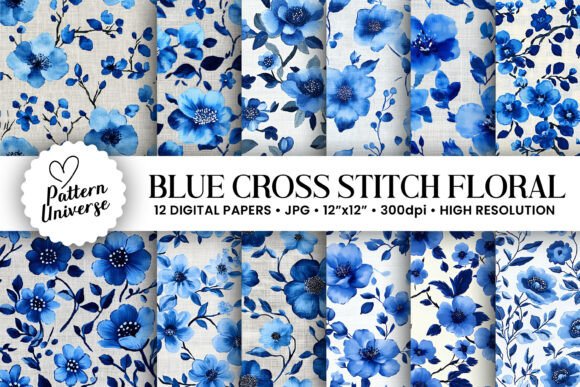
The immediate impression of the Blue Cross Stitch Floral Digital Papers is one of calm and vintage charm. The color palette relies heavily on varying shades of blue, ranging from deep navy to soft sky tones, set against floral motifs that mimic the texture of traditional needlework. While these are technically Graphics and not native embroidery file formats like PES or DST, the visual language speaks directly to the aesthetic of cross-stitch and folk art.
For an embroidery designer, this "stitching personality" is crucial. The patterns possess a decorative appeal that feels organic rather than overly digital. They evoke the feeling of a heirloom kitchen towel or a cozy nursery pillow. If you are looking to create a cohesive brand identity centered around cottage-core or botanical themes, these Patterns offer a strong foundation. The detail level is sufficient to inspire custom digitizing work, providing a clear roadmap for where satin stitch outlines or fill stitch areas might be placed if you were to recreate them as a machine embroidery design.
Adapting Graphics for Real Embroidery Projects
You might wonder how a set of digital papers translates to a physical finished product. In my workflow, I often use high-quality graphics as reference layers in my digitizing software. By importing these blue floral images, I can trace over the motifs to create a custom digital embroidery file that respects the original artistic intent while optimizing it for thread.
Consider the potential applications for custom apparel. A simplified version of these florals would look stunning on a denim jacket or a linen apron. For tote bag design, the repetitive nature of the patterns allows for an all-over print effect if used as a sublimation transfer, or a focused motif if digitized for stitching. Imagine a sweatshirt embroidery project where a single large bloom from the collection is rendered in thick, textured threads on the chest. The blue tones are versatile enough to work on white, cream, or even light grey garments, offering a fresh alternative to the ubiquitous pink and green floral designs often seen on Etsy.
For those running a small business, these assets can also serve as excellent printable mockup backgrounds. Before committing to stitching a complex design, you can place your logo or product photo over these patterns to visualize the final presentation. This helps in creating compelling listings for commercial embroidery services or handmade goods.
Practical Considerations for Stitching
If you decide to use these visuals as a guide to create your own applique design or standard embroidery, there are practical factors to consider. The original graphics simulate cross-stitch, which implies a grid-like structure. When converting this to machine stitching, you must be mindful of stitch density. A true cross-stitch simulation can become very dense quickly, potentially leading to fabric puckering or needle breakage if not managed correctly.
- Fabric Selection: These designs naturally suit stable woven fabrics like cotton twill, linen, or canvas. Avoid using them on highly stretchy knits unless you have significant experience with stabilizers.
- Stabilizer Choice: Given the potential for dense coverage in floral areas, a cut-away stabilizer is recommended for long-lasting durability, especially for items like kitchen towels or pillow covers that will undergo frequent washing.
- Hoop Size: Some of the larger floral arrangements in the collection may require a large hoop. Always confirm the dimensions of your specific element against your machine's maximum hoop size before starting.
- Thread Colors: The beauty of this collection lies in its monochromatic blue scheme. When selecting thread colors, try to match the gradient found in the graphics. Using variegated blue thread could add an extra layer of depth that mimics the hand-dyed look of traditional floss.
Challenges with Complex Surfaces
While these patterns are beautiful, they may present challenges on curved surfaces like caps or textured fabrics like terry cloth. The fine details that make the Blue Cross Stitch Floral Digital Papers so attractive on a screen might get lost or distort on a structured cap front. Similarly, tiny lettering or intricate petal edges might not translate well if the running stitch elements are too small for the fabric's weave. It is always wise to test on scrap fabric first. Stitch out a small section of your digitized version to inspect how the threads lay and whether the details remain crisp after the stabilizer is removed.
Enhancing Product Value and Brand Trust
In the competitive world of handmade sales, visual consistency builds buyer trust. Using a distinct style, such as the blue floral theme found in this collection, can help define your shop's aesthetic. Whether you are selling an embroidered patch, a personalized gift for a baby shower, or boutique merchandise, having a recognizable visual signature makes your products memorable. High-quality design assets allow you to maintain professional standards in your product photography and marketing materials. When a customer sees a cohesive look across your Etsy listings or craft fair display, it signals professionalism and attention to detail.
Final Thoughts on Usage and Licensing
The Blue Cross Stitch Floral Digital Papers are a versatile resource for the creative entrepreneur. They bridge the gap between digital planning and physical creation. However, it is vital to remember that these are provided as graphics. Before using them for any commercial embroidery products or selling finished items, you must carefully review the licensing terms on the Creative Fabrica product page. Ensure that the license permits the type of usage you intend, whether that is printing for sublimation or using as a reference for digitizing.
Always verify file details, as specific technical data like stitch count or native embroidery formats are not applicable to this graphic product. If your goal is to sell stitched goods, you will likely need to digitize the designs yourself or hire a digitizer to convert these beautiful patterns into machine-readable files. By taking these steps, you can leverage the artistic value of these design assets to create unique, high-quality goods that resonate with customers looking for something special and handcrafted.