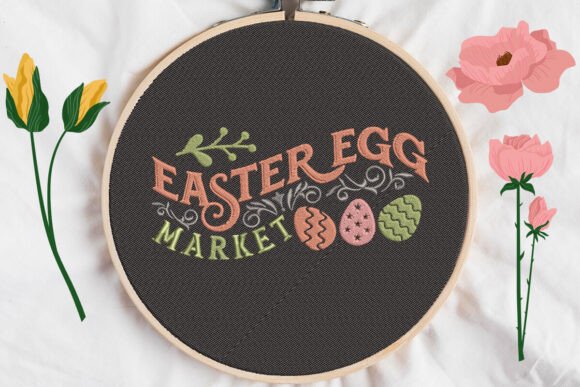
Easter Egg Market: A Designer's Review for Spring Projects
As a designer who spends more time staring at stitch maps than most people care to admit, I approach every new machine embroidery design with a mix of curiosity and skepticism. We've all been there: you download a file that looks vibrant on the screen, only to find it turns into a puckered mess or a thread-breaking nightmare once it hits the fabric. That is why I took a close look at the Easter Egg Market design before committing it to any client work or personal inventory. This isn't just about whether it looks cute; it is about whether it holds up as a professional asset for a craft business or a meaningful personalized gift.
First Impressions and Visual Personality
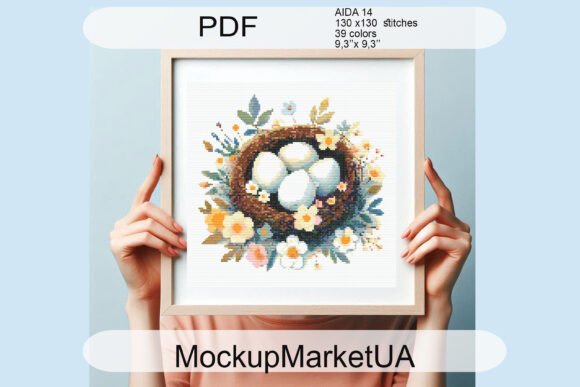
The moment I loaded the preview for Easter Egg Market, the mood was immediately clear. It captures that bustling, cheerful energy of a spring festival without feeling cluttered. The layout suggests a scene rather than a single isolated icon, which gives it a narrative quality perfect for storytelling on textiles. Visually, it balances whimsy with structure. The shapes are distinct enough to read well from a distance, which is crucial for items like tote bag designs or wall hangings where the viewer might be standing a few feet away.
What stands out most is the potential for color play. While the default preview likely shows traditional pastels, the design's structure invites experimentation. As an Etsy seller or boutique owner, you know that customers often want something unique. This design allows you to swap out standard thread colors for bold, modern palettes or even monochromatic schemes for a sophisticated take on holiday embroidery. The visual personality feels welcoming, making it an excellent candidate for products intended to bring joy, such as nursery decor or seasonal apparel.
Real-World Application: The Tote Bag Test
To truly evaluate an embroidery project, I have to imagine it in a real-life scenario. Let's say I am preparing a run of custom canvas totes for a local farmer's market spring launch. The Easter Egg Market design fits this context perfectly. Canvas provides the stability needed for detailed stitching, and the size of the motif works well centered on a standard tote panel.
In this scenario, the design acts as the hero element. Unlike smaller logos that get lost in the weave of heavy fabric, this piece has enough presence to command attention. If I were stitching this onto a sweatshirt embroidery project, the density would need careful monitoring. Sweatshirt fleece can be tricky; if the stitch density is too high, the fabric might pucker around the edges. However, given the open and airy feel of the "market" theme, it appears to have enough negative space to breathe on thicker materials, provided the right stabilizer is used underneath.
For a small shop product line, versatility is key. This design could easily transition from a tote bag to a kitchen towel or a decorative pillow cover. The theme is specific enough to be recognizable as Easter but general enough in its "market" concept that it doesn't scream "disposable holiday item." This increases the perceived value of the finished product, encouraging customers to keep using it long after the holiday has passed.
Technical Considerations for Stitching
Every experienced embroiderer knows that the devil is in the details. When evaluating Easter Egg Market for commercial use, several technical factors come into play. First, consider the hoop size. Since the description mentions it comes in multiple sizes, selecting the correct one for your machine is vital. For smaller applications like a pocket mirror case or a hair brush handle, you would need the smallest available format. Conversely, for a blanket or large apron, the largest format ensures clarity.
Texture is another critical variable. If you plan to stitch this on textured fabrics like waffle weave towels or corduroy, the finer details might get lost. In those cases, I recommend running a test on scrap fabric first. Pay close attention to how the satin stitch columns lay against the grain of the fabric. If the design includes tiny lettering or intricate corners, these are the areas most prone to bridging or thread breaks, especially on stretchy knits used for custom apparel.
Dark fabrics present their own challenge. While the design likely pops beautifully on white or cream backgrounds, stitching it on navy or black requires a careful review of contrast. You may need to adjust the underlay or add a backing layer to prevent the dark fabric from showing through the lighter thread colors. Always inspect small details in a black-and-white mockup before cutting into your good fabric. This simple step saves time, money, and frustration.
Commercial Viability and Brand Consistency
For digital product sellers and handmade product creators, the question is always: does this elevate my brand? The Easter Egg Market design has a polished look that suggests professionalism. Using a high-quality digital embroidery file signals to your customers that you care about the final output. It builds trust. When a customer receives a baby embroidery item or a wedding gift that features clean, crisp stitching with no loose threads or registration errors, they associate that quality with your shop.
This design also works well for printable mockups. Because the composition is balanced, it photographs well for online listings. Whether you are selling the physical embroidered patch or the finished garment, the visual appeal drives buyer engagement. However, remember to check the licensing terms. Just because a design is beautiful doesn't mean it is free for unlimited commercial resale as a digital asset. Confirm whether you are licensed to sell the finished product or if there are restrictions on selling the embroidery file itself.
Final Thoughts on Execution
Ultimately, the success of Easter Egg Market in your portfolio depends on execution. It is a design that rewards preparation. Take the time to match your thread colors precisely, choose a stabilizer that matches your fabric weight, and respect the limitations of your hoop size. Avoid forcing this design onto curved surfaces like caps unless you are confident in your digitizing adjustments or have a format specifically optimized for hats.
Whether you are decorating a beauty case, creating a set of matching family t-shirts, or stocking up for a craft fair, this design offers a solid foundation. It bridges the gap between festive fun and aesthetic sophistication. By treating it with the care it deserves—testing on scraps, checking tension, and considering the end-user experience—you can turn a simple machine embroidery design into a standout piece that defines your spring collection. Remember, the best designs are the ones that make your hands itch to start stitching, and this one certainly fits that bill.