Reviewing Chikankari Hand Embroidery Patterns for Gifts
As an embroidery designer who has spent years curating designs for a personalized gift shop, I am always on the lookout for patterns that bridge the gap between traditional artistry and modern commercial viability. Recently, I had the opportunity to test the Chikankari Hand Embroidery Patterns collection. My goal was simple: determine if these graphics could translate into high-value, finished products for my customers seeking meaningful keepsakes. The first impression was immediate; the mood is undeniably elegant, romantic, and deeply rooted in heritage. There is a sweetness to the floral motifs that feels both classic and timeless, making it a perfect candidate for clients who appreciate handmade quality without the actual hand-stitching time.
The Aesthetic Appeal and Emotional Connection
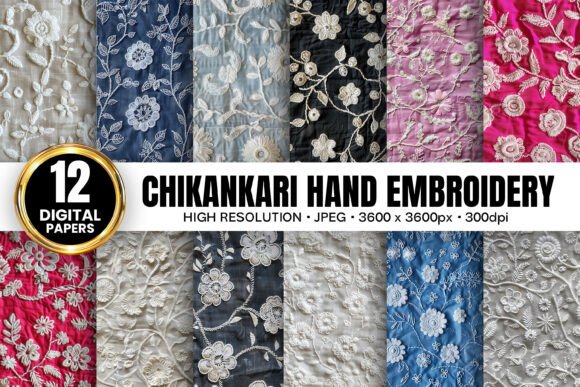
When you open the ZIP file containing the 12 high-resolution digital papers, the clarity is striking. At 300 DPI and sized at 3600 x 3600 pixels (12 inches), these Graphics offer a level of detail that is essential for professional work. The charm of Chikankari lies in its delicate white-on-white aesthetic, though these patterns are versatile enough to be adapted. For a designer, the emotional appeal is the strongest selling point. These Patterns evoke a sense of calm and sophistication. They do not scream for attention; rather, they whisper elegance. This subtlety is crucial when creating a personalized gift intended for milestones like weddings or the arrival of a new baby. The design feels authentic, avoiding the cheap, clip-art look that can sometimes plague digital downloads.
Ideal Applications for Your Small Shop Product Line
In my testing phase, I envisioned several specific use cases where these designs would shine. For baby embroidery, the soft, organic lines of the Chikankari style are perfect for nursery decor. Imagine a muslin swaddle or a cotton blanket featuring these seamless patterns as a border; it creates a heirloom-quality blanket embroidery project that parents will treasure. Similarly, for the wedding market, these patterns are ideal for creating custom table runners or pillow cover sets for the bridal suite. The intricate floral details add a layer of luxury to what might otherwise be standard linens.
Beyond home decor, I see immense potential for wearable items and accessories. An apron made from heavy cotton canvas, adorned with a subtle Chikankari pattern near the hem, becomes a cherished kitchen item. Tote bags are another excellent avenue; the seamless nature of the files allows you to tile the design for larger surfaces or isolate specific motifs for pocket details. For an Etsy seller, listing these as custom options—such as monogrammed embroidered towel sets or personalized tote bags—can significantly increase average order value. The perceived value of a product featuring such intricate detailing is naturally higher, fostering greater customer trust and engagement.
Technical Considerations for Production
While the visual potential is enormous, moving from a digital image to a physical finished product requires careful planning. It is important to remember that the product description specifies these are JPG files intended as digital papers or graphics. They are not inherently machine embroidery files (like PES or DST). To use these as a machine embroidery design, you would need to digitize them or use them as a printable template for hand embroidery or sublimation. If you are using them as a reference for digitizing, pay close attention to the stitch density. Chikankari traditionally relies on light, airy stitches. If you convert these directly, ensure you do not create a solid block of thread that ruins the fabric's drape.
There are specific scenarios where caution is advised. If you plan to apply these designs to textured fabrics like thick terry cloth towels, the fine details might get lost. In such cases, simplifying the motif or increasing the scale is necessary. Similarly, working on stretchy baby clothes requires a robust stabilization strategy. Always test on scrap fabric first. You must confirm your hoop size can accommodate the 12-inch dimension if you intend to stitch the full pattern, or be prepared to re-hoop for seamless tiling. When working on dark fabric, the traditional white-on-white look will not work unless you are using a light-colored thread contrast, which changes the entire aesthetic. Always compare light and dark fabric mockups before committing to a production run.
Enhancing Perceived Value and Customer Trust
The true power of the Chikankari Hand Embroidery Patterns lies in how they elevate your brand. In the world of commercial embroidery and handmade goods, customers are increasingly savvy. They can spot a generic design from a mile away. By utilizing these high-quality, culturally rich patterns, you signal to your buyers that you care about aesthetics and tradition. This builds an emotional connection. A customer buying a wedding gift wants something that feels special and unique. When they see the intricate detail of a Chikankari pattern on a custom embroidery project, they perceive the item as a labor of love, even if technology assisted in its creation.
Product photography also benefits immensely from these designs. The high resolution (300 DPI) means you can create stunning printable mockup images for your online store without pixelation. Clear, crisp visuals lead to higher click-through rates and buyer engagement. Whether you are selling the digital files themselves as resources for other crafters or selling the physical handmade product, the quality of the source material dictates the quality of the final sale.
Final Verdict for Designers and Makers
After reviewing the collection, I believe the Chikankari Hand Embroidery Patterns are a valuable asset for any creative business focused on personalized goods. They offer a blend of tradition and versatility that is hard to find. However, success depends on execution. Before launching a new line of products, verify the commercial licensing terms included in your download to ensure you are cleared for resale. Check your thread colors against the fabric to ensure optimal contrast or harmonious blending. If you are digitizing these for machine use, review the small details after stitching to ensure no pull or distortion occurs.
For those looking to expand their catalog with items that feel both global and intimate, these patterns are a strong choice. They invite the maker to slow down and consider the texture, the fabric, and the recipient. Whether you are creating a cozy nursery item, a sophisticated wedding keepsake, or a practical yet beautiful kitchen accessory, this collection provides the artistic foundation needed to create something truly memorable. Just remember to treat the digital file as a high-quality starting point, adapting your techniques to honor the delicate spirit of Chikankari in every stitch or print.