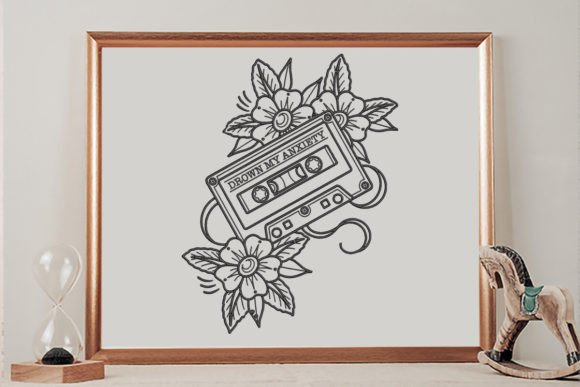
Tape Flower Embroidery: A Designer's Field Review
When I first pulled up the Tape Flower machine embroidery design on my screen, I didn't immediately reach for the hoop. As someone who has spent years turning digital files into tangible goods for clients, my first instinct is always skepticism mixed with curiosity. Does this look good as a vector, or does it translate well to thread? The title suggests something structural, perhaps reminiscent of ribbon work or a stylized botanical element wrapped in tape-like layers. Given that this design falls under the Music category yet serves as a versatile embroidery asset, I wanted to see how it balances artistic flair with the practical demands of commercial stitching.
First Impressions and Visual Personality
The visual personality of Tape Flower is striking because it feels modern rather than traditional. Unlike the soft, flowing petals of a standard rose or daisy, this design appears to have a defined edge, likely utilizing a mix of satin stitch for the outlines and a tight fill stitch for the body. This combination usually creates a crisp, graphic look that pops against various backgrounds. The "tape" aspect implies a layered construction, which can be tricky in embroidery if the digitizer hasn't accounted for pull compensation, but initial observations suggest a clean layout.
For an Etsy seller or a boutique owner, the mood here is key. It feels youthful and trendy, suitable for streetwear or contemporary home decor rather than heirloom christening gowns. The design carries a certain rhythm—fitting its musical categorization—that suggests movement. When evaluating it for a custom apparel line, I imagine it working exceptionally well on oversized sweatshirts or structured tote bags where the graphic nature of the flower can be appreciated from a distance.
Real-World Application: The Tote Bag Test
To truly gauge the value of a new embroidery file, I mentally run through a specific production scenario. Let's say a client orders a batch of canvas tote bags for a local music festival. They want something unique that isn't just a printed logo. This is where Tape Flower shines. On a natural cotton canvas, the texture of the fabric interacts beautifully with the stitch density of the design. If the digitizing is sound, the "tape" layers should sit flat without excessive bunching.
In this real-life case, the design would serve as the centerpiece of a handmade product intended for daily use. Customers at a craft fair or online shoppers browsing a small shop product listing are drawn to items that feel durable yet stylish. The geometric or stylized nature of this flower suggests it won't look out of place on a utility item. Furthermore, because it is categorized under music, it could easily be marketed as part of a "concert ready" collection, appealing to musicians and fans alike who want to embroider their instrument cases, gig bags, or even pocket mirrors and keychains as accessories.
Versatility Across Products
Beyond tote bags, the adaptability of Tape Flower is one of its strongest selling points for a craft business. The description notes its suitability for clothes, t-shirts, and even harder surfaces like hair brushes and beauty cases. While embroidering directly on plastic or rigid items requires specific techniques and often an applique design approach (stitching the design on fabric first, then adhering it), the versatility opens doors for diverse revenue streams.
- Apparel: Ideal for chest pockets on denim jackets or the hem of wide-leg trousers.
- Home Decor: Works wonderfully on pillow covers where a bold graphic statement is desired.
- Accessories: Perfect for embroidered patches that can be ironed or sewn onto backpacks.
- Gifts: Makes a thoughtful personalized gift when combined with monograms or dates.
For holiday embroidery projects, this design could be tweaked with seasonal thread colors—think deep reds and greens for winter or pastels for spring—making it a year-round asset in your design assets library.
Technical Considerations and Fabric Choices
However, no design is without its challenges. When working with Tape Flower, attention must be paid to the stitch density. Designs with layered effects can sometimes become too dense, leading to needle breaks or fabric distortion, especially on stretchy materials like jersey knits used in t-shirts. If you are planning a sweatshirt embroidery project, the fleece backing usually handles density well, but on a thin tee, you must be cautious.
I strongly advise testing this design on scrap fabric that matches your final product. If you are stitching on a dark fabric, ensure the underlay is sufficient to prevent the background from peeking through the fill stitches. Conversely, on light fabrics, check that the satin columns don't create shadows that muddy the crisp lines of the "tape" effect. For curved surfaces like caps, the design might need resizing; a large, complex flower can distort on the front panel of a baseball cap if it exceeds the natural curve of the buckram.
Stabilizer choice is non-negotiable here. For a finished product that needs to withstand frequent washing, such as a kitchen towel or a baby item, a cut-away stabilizer is often safer than tear-away to maintain the integrity of the design over time. Since the product description mentions baby embroidery, ensure all threads used are certified safe for infants and that there are no loose jump stitches that could pose a hazard.
Enhancing Brand Value and Customer Trust
From a business perspective, the clarity of Tape Flower directly impacts perceived value. A clean, well-digitized design signals professionalism. When a customer receives a custom apparel item with sharp details and no puckering, their trust in your brand increases. This design, with its unique aesthetic, helps differentiate your Etsy listings from the sea of generic floral patterns available everywhere.
Using this design in printable mockups for your online store can also boost engagement. The distinct shape photographs well, creating strong visual contrast in thumbnail images. Whether you are selling the digital embroidery file itself or the physical finished product, the visual appeal of the Tape Flower acts as a hook. It suggests a maker who pays attention to trends and quality.
Final Verdict for Designers and Makers
Before committing to a large production run or listing this as a premium download, there are housekeeping steps every responsible designer should take. Verify the available hoop size options to ensure they fit your machine's capabilities. Check the thread color list provided with the file; while you can customize colors, the recommended palette often reveals the digitizer's intent for depth and dimension.
It is also crucial to confirm licensing terms. Can you sell unlimited physical items made with Tape Flower? Are you allowed to resize it for different applications? These details dictate whether this file is a viable tool for your commercial embroidery endeavors. Always review the specifics provided by the creator, as assumptions can lead to copyright issues down the line.
In conclusion, Tape Flower offers a fresh take on botanical motifs, bridging the gap between organic shapes and graphic design. Its potential applications range from high-fashion custom apparel to functional beauty cases and blankets. With careful attention to fabric selection, stabilizer use, and testing protocols, this design can be a reliable workhorse in your studio. It invites creativity, allowing you to experiment with textures and placements that elevate a simple stitch into a statement piece. For the modern maker looking to expand their catalog with something that feels both current and timeless, this design warrants a spot in the hoop.