Abstract Woven Embroidery Patterns Review
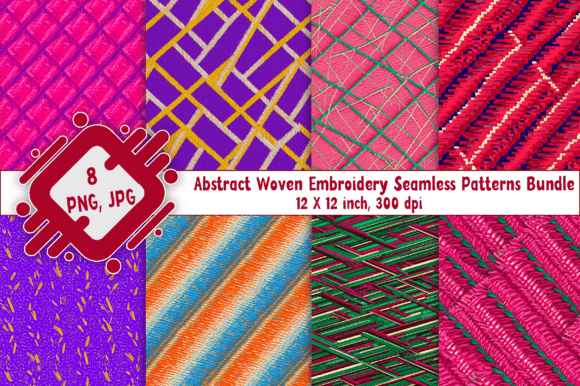
As an embroidery designer preparing for a busy weekend at the local craft fair, my table needs to stop people in their tracks. I am constantly evaluating which design assets will translate best from a digital screen to a tangible handmade product. Recently, I downloaded the Abstract Woven Embroidery Patterns bundle, categorized under Freebies and Graphics, to see if it could elevate my booth display. The description promises "cozy and artistic charm" with realistic digital textures mimicking hand-woven threads, and my first impression is that this collection hits a sweet spot between modern minimalism and rustic farmhouse aesthetics.
First Impressions and Visual Appeal
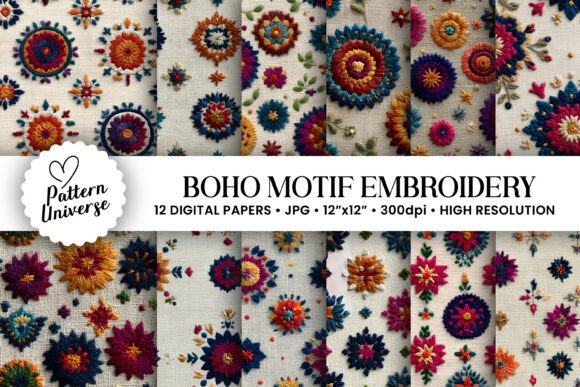
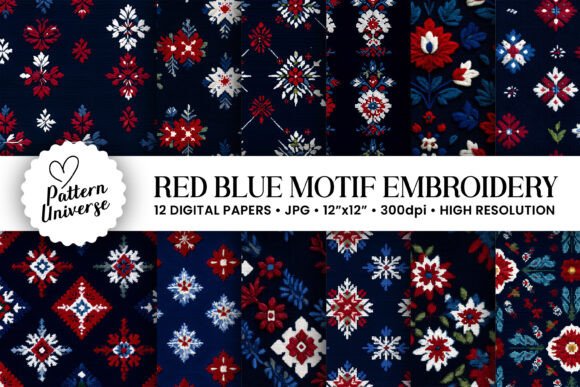
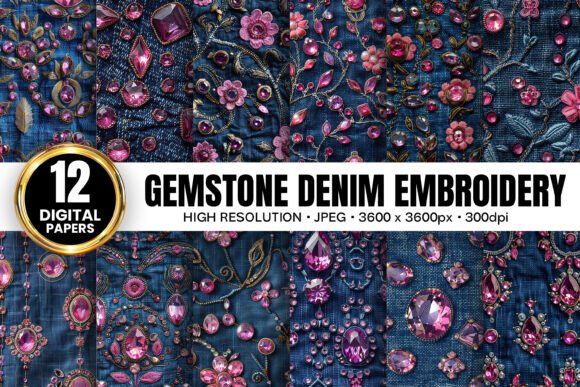
When I pulled up the files on my design software, the Abstract Woven Embroidery Patterns immediately stood out for their texture. Unlike flat vector art, these patterns simulate the depth of actual weaving. This is crucial for a craft fair product because customers love to touch items that look complex and high-quality. The vibe feels premium yet approachable—perfect for boutique makers looking to add a touch of elegance without being overly ornate. Whether you are aiming for a soft, decorative look or a bold, modern statement, these patterns offer versatility. They do not scream "holiday" or "specific occasion," which makes them ideal for year-round sales.
Performance on Market-Ready Products
The true test of any machine embroidery design is how it performs on actual goods. I mentally staged my booth with various items to see where these patterns would shine:
- Tote Bags and Market Bags: This is likely the strongest application. A large-scale tote bag design using these woven textures creates an instant focal point. The abstract nature means it appeals to a wide demographic, from students to eco-conscious shoppers.
- Aprons and Tea Towels: For kitchen linens, the "woven" illusion adds a layer of sophistication. An apron embroidery featuring these patterns looks less like a logo and more like a custom fabric print, increasing the perceived value of the finished product.
- Patches and Pouches: Smaller applications like an embroidered patch or a fabric pouch benefit from the seamless nature of the graphics. They can be repeated or used as a single accent without losing clarity.
- Pillow Covers: Home decor is a huge seller at fairs. Using these patterns on pillow covers creates a cohesive, designer look that competes well with big-box store items.
For the Etsy seller or digital creator, these Graphics also serve as excellent bases for printable mockup listings. Even if you are selling the physical item, having a listing image that showcases the texture accurately is vital for online conversion.
Practical Selling and Production Considerations
In the fast-paced environment of a craft fair, a design must be understood at a glance. Abstract Woven Embroidery Patterns succeed here because the texture draws the eye immediately. Customers walking by might mistake the embroidery for actual woven fabric until they get close enough to see the stitches. This "double-take" effect is powerful for buyer engagement.
From a production standpoint, these patterns feel highly repeatable for batch production. Because they are abstract, slight variations in thread tension or fabric pull are less noticeable than they would be with intricate lettering or realistic portraits. This makes them a safe bet for a small shop product line where consistency is key but perfection is hard to guarantee on every single unit. Furthermore, they photograph beautifully for online listings, as the simulated depth translates well even in two-dimensional images.
Careful-Use Notes for Embroiderers
While the visual potential is high, there are technical aspects to consider before hooping up your machine. Since these patterns mimic dense weaving, you must be mindful of stitch density. High-density areas can cause fabric puckering, especially on lighter materials.
- Fabric Texture: These designs work best on medium-to-heavy weight fabrics. On thick fabric or textured towels, ensure your needle can penetrate without breaking threads.
- Curved Surfaces: If applying this to caps, be cautious. The curved surface of a cap can distort wide, abstract patterns. It may be better to use a smaller section of the pattern for headwear.
- Dark Fabric: Check your thread colors against dark backgrounds. The "woven" effect relies on contrast; if the threads blend too much with the base material, the texture will be lost.
- Scaling: Avoid shrinking these designs too small. Fine details that create the woven illusion may merge into a solid blob if the hoop size is too restrictive or the scale is reduced significantly.
Designer Tips for Success
To get the most out of the Abstract Woven Embroidery Patterns, I recommend a rigorous testing phase. Always test the embroidery file on scrap fabric identical to your final product. This allows you to check thread contrast and review spacing before committing to your inventory.
Pay close attention to your stabilizer choice. Given the potentially dense nature of woven-mimic designs, a cut-away stabilizer might be necessary for stretchy fabrics like tote bags to prevent distortion over time. Create at least one real mockup to see how the light hits the threads; sometimes a slight change in thread sheen can make the "woven" effect pop or fall flat.
Finally, compare different fabric colors. A neutral pattern might look earthy on olive green but striking on cream. And, crucially, since this bundle is listed under Freebies, confirm the commercial licensing terms before selling commercial embroidery products. Ensure you are allowed to sell finished goods made with these free assets.
Ultimately, Abstract Woven Embroidery Patterns offer a unique opportunity to bridge the gap between digital design and tactile art. For the creative entrepreneur, they provide a low-risk way to add high-value texture to a diverse range of goods, from kitchen linens to fashion accessories. With careful attention to stitch density and fabric choice, these patterns can become a staple in your craft fair lineup, drawing customers in with their cozy, artistic charm.