Red Blue Motif Embroidery Pattern Review
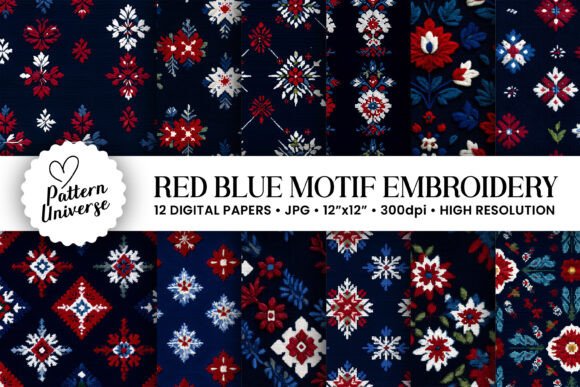
As a designer who spends more time at the hoop than away from it, I approach every new machine embroidery design with a mix of curiosity and caution. When I first encountered the Red Blue Motif Embroidery Pattern, my initial reaction was driven by the bold color story. The contrast between deep reds and crisp blues immediately suggests a classic, almost nautical or heritage aesthetic. However, looking past the digital preview, I needed to determine if this Graphics asset could truly translate into a high-quality finished product for my clients.
This isn't just about whether the image looks pretty on a screen; it is about how those shapes hold up when thousands of stitches pull on fabric. For Etsy sellers, craft business owners, and hobbyists alike, the difference between a design that sells and one that returns is often found in the stitch density and layout. Here is my practical evaluation of how this pattern performs in real-world scenarios.
First Impressions: Mood and Visual Personality
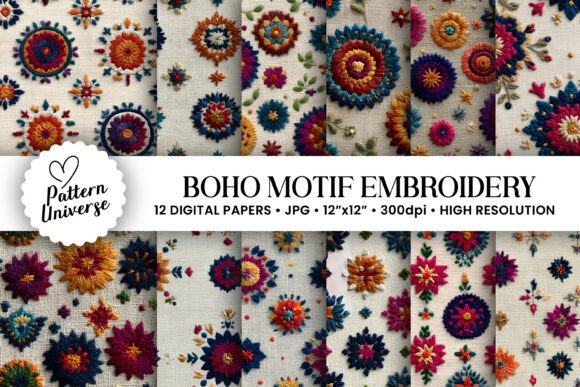
The Red Blue Motif Embroidery Pattern carries a distinct visual weight. It feels structured yet decorative, making it an excellent candidate for projects that require a touch of traditional charm without feeling outdated. The motif's layout suggests versatility; it is complex enough to stand alone as a focal point but repetitive enough to work as a border or fill element.
For those of us creating handmade products, the mood of a design dictates its market. This pattern screams "quality" and "thoughtfulness." It would fit beautifully on a boutique linen tea towel or as a subtle accent on a denim jacket. The color palette is inherently balanced, reducing the risk of clashing threads, which is a huge plus when you are trying to maintain consistency across a large batch of custom apparel.
Real-World Application: From Screen to Stitch
To truly test the viability of this design, I imagined a specific project: a custom order for a local boutique needing branded tote bag designs. The client wanted something eye-catching but durable enough for daily grocery runs. The Red Blue Motif Embroidery Pattern seemed like a strong contender here.
When digitized correctly, a motif like this relies heavily on the interplay between satin stitch outlines and fill stitch bodies. If the original file is an AI-generated graphic intended for print, as the description suggests, it requires careful conversion into a proper embroidery file. You cannot simply import a JPEG and expect clean results. A professional digitizer would need to map out the stitch direction to ensure the red and blue sections do not bleed into each other visually.
In terms of visual appeal, this pattern shines on medium-weight fabrics like canvas, twill, or sturdy cotton. On a sweatshirt embroidery project, the texture of the fleece could soften the details, so increasing the stitch definition might be necessary. Conversely, on a smooth poplin shirt, the sharp lines of the motif would look incredibly crisp, enhancing the perceived value of the garment.
Ideal Projects for This Motif
Based on the shape and theme, here is where I see this design thriving in a commercial or personal setting:
- Home Decor: Pillow covers and kitchen towels where the red and blue pop against neutral backgrounds.
- Apparel Accents: Pocket details on chambray shirts or cuffs on denim jackets.
- Seasonal Goods: Perfect for holiday embroidery gifts, particularly for Fourth of July or winter themes depending on the specific shade usage.
- Nursery Items: A softened version could work well for baby embroidery on bibs or blankets, provided the stitch count is reduced for comfort.
- Patches: The defined borders make it an ideal candidate for an embroided patch that can be ironed or sewn onto various items.
Technical Considerations and Potential Pitfalls
While the aesthetic is strong, we must address the technical realities of using a pattern labeled as Freebies or AI-generated graphics for physical stitching. The description mentions "seamless patterns," which implies repetition. In embroidery, seamless does not always mean stitch-ready.
Stitch Density and Fabric Choice: One major concern with intricate motifs is stitch density. If the design is too dense, it can cause puckering, especially on stretchy fabrics or thin materials. Before committing to a full production run, you must test the design on scrap fabric identical to your final material. If you are working with a textured fabric, the fine details of the blue elements might get lost, requiring a simplification of the design.
Hoop Size and Placement: Always confirm the hoop size requirements. If the motif is large, you may need to split the design or use a larger hoop, which can complicate alignment on curved surfaces like caps. Speaking of caps, placing this on a structured front panel requires careful attention to the underlay stitches to prevent the design from sinking into the foam or fabric.
Color Contrast: The red and blue combination is classic, but on dark fabrics, the blue might disappear. I recommend running a black-and-white mockup first to check the tonal contrast. If the values are too similar, the design will look muddy from a distance. Adjusting thread colors slightly—perhaps using a brighter royal blue or a deeper crimson—can make a significant difference in clarity.
Business Value and Brand Consistency
For small shop product lines, consistency is key to building customer trust. Using a cohesive motif like the Red Blue Motif Embroidery Pattern across different items—say, a matching set of aprons and oven mitts—creates a recognizable brand identity. It elevates a simple item into a personalized gift that feels curated rather than mass-produced.
However, if you are an Etsy seller planning to sell the digital file itself, you must verify the licensing terms. AI-generated assets often have ambiguous commercial rights. Ensure you have the clearance to resell the digital embroidery file or the finished goods. Nothing damages a craft business faster than a copyright dispute.
Designer Notes for Success
To get the best results from this pattern, follow these practical steps before starting your machine:
- Digitize with Care: If the source is a graphic, hire a professional digitizer or use robust software to convert it, paying close attention to underlay and pull compensation.
- Stabilizer Selection: Match your stabilizer to the fabric. Cut-away is usually safer for garments that will be washed frequently, while tear-away works for stable home decor items.
- Thread Quality: Use high-quality rayon or polyester threads to ensure the red and blue hues remain vibrant after washing. Cheap thread can fray or fade, ruining the look of the motif.
- Test Runs: Never skip the test stitch-out. Check for thread breaks, bird nests, and registration issues between the color stops.
- Mockups: Create printable mockups to show clients how the design looks on different colored garments before they commit to a purchase.
In conclusion, the Red Blue Motif Embroidery Pattern offers a solid foundation for a variety of creative projects. Its strength lies in its versatile color scheme and traditional feel. However, its success depends entirely on the preparation and technical execution by the maker. With the right adjustments to stitch density and fabric choice, this design can become a staple in your embroidery project portfolio, delivering professional results that customers will love.